
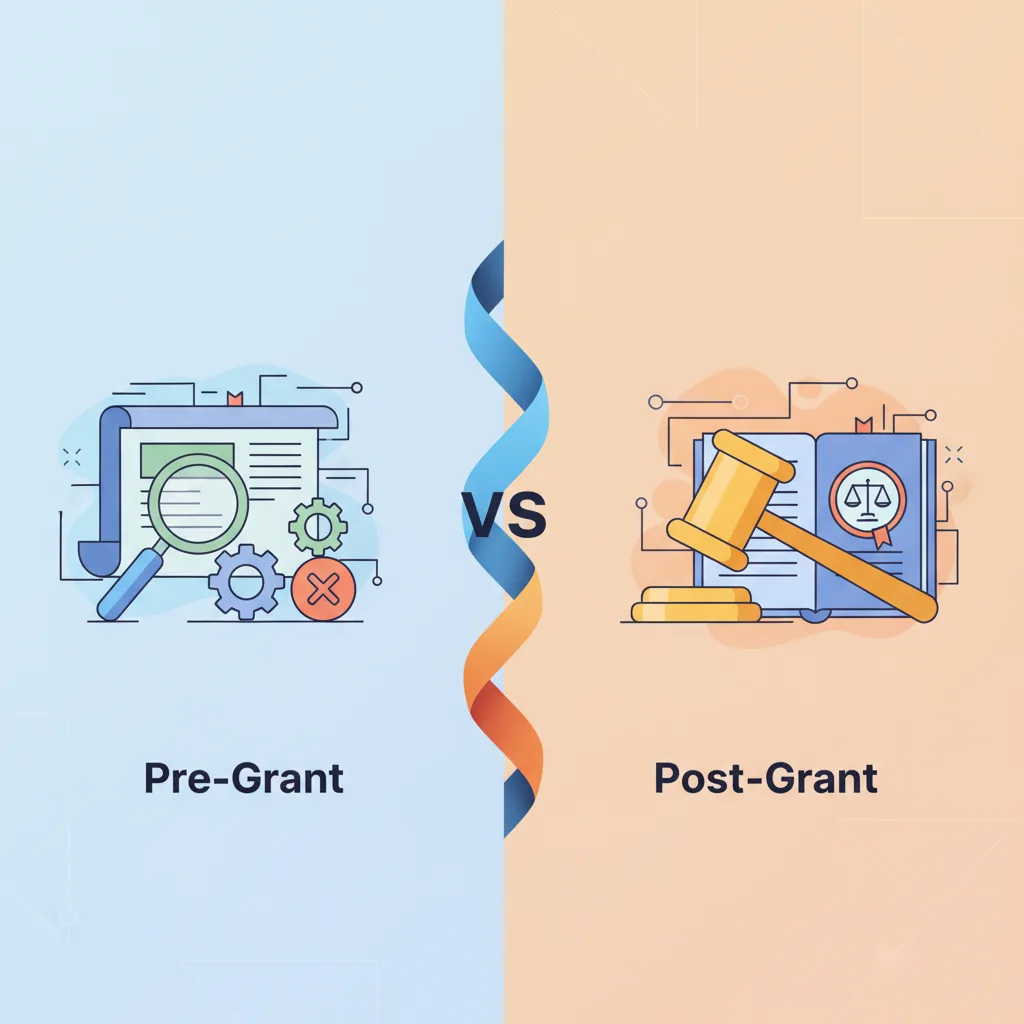
Nearly 7 out of every 10 patent applications in India run into some sort of roadblock. That is a huge percentage. If you have engineered a piece of technology poised to reshape the world, protecting it with an Indian patent is paramount. But securing that patent is not always a cakewalk. Like many countries, India has a system that allows challenges to a patent application, even after initial approval. These challenges come as pre grant and post grant oppositions. Knowing the nuances of challenging a patent before it is granted versus after is critical for inventors, competitors and anyone following the trajectory of innovation.
The Reasoning Behind Patent Objections
Patents grant inventors temporary exclusive rights, a short monopoly intended to spur further innovation. However, patents should only be awarded to inventions that are truly novel and non obvious. We need ways to prevent patents from being issued erroneously. That is the core purpose of the patent opposition system.
Think of opposition proceedings as a quality control measure. They let interested parties voice concerns about a patent application before the patent is officially granted (pre grant) or to dispute the patent’s validity after it has been granted (post grant). These procedures help weed out applications lacking true novelty or based on existing information. I believe this guarantees patents are given only to worthy inventions, resulting in fairer competition and fostering real innovation.
Proactive Measures: Contesting a Patent Before Approval
Contesting a patent before it is granted happens, naturally, prior to the patent being officially awarded. Indian Patents Act Section 25(1) and Patents Rules 2003 Rule 55 oversee this avenue. Anyone can contest a patent application after publication, but before the grant. When someone seeks to file a patent in India, this kind of challenge is a formal argument made to the Controller of Patents, explaining why the patent should be rejected.
Grounds for Pre-Grant Objections
The Indian Patents Act provides multiple grounds for pre grant objections. Here are several examples:
- Illicit Acquisition: The invention was improperly obtained from the objector.
- Prior Disclosure: The invention was disclosed publicly before the filing date.
- Earlier Claim: The invention was previously claimed in another Indian patent application.
- Existing Knowledge: The invention was already known or used publicly before the filing date.
- Apparentness: The invention lacks an inventive step and is obvious.
- Ineligible Subject Matter: The invention cannot be patented under the Act.
- Inadequate Description: The patent specification insufficiently describes the invention.
- Withheld Details: The applicant failed to disclose mandatory information under Section 8 of the Act.
- False Information: The applicant supplied incorrect details.
- Late Submission: The application exceeded the filing deadline.
- Biological Source: The specification omitted the origin of biological materials.
- Traditional Lore: The invention is already part of traditional knowledge.
How Pre Grant Objections Function
To initiate a pre grant objection, you must file a statement with the Controller of Patents using Form 7A. The Controller will assess the statement. If the Controller determines the objection lacks merit, it will be immediately dismissed. If the objection appears legitimate, the applicant receives notification and a chance to submit their counter statement and evidence. After reviewing all data, the Controller decides whether to grant, reject or modify the patent specification.
Challenging an Existing Patent
Challenging a patent after it has been granted is, predictably, initiated after the patent has been awarded. Section 25(2) of the Indian Patents Act addresses this. An important distinction from challenging the patent before it is granted is that only an interested person can file a patent in India for challenging after the grant. Under Section 2(1)(t) of the Act, an interested person is someone involved in research regarding the patent or a company with manufacturing, trading or financial interest in the patented item.
Grounds for Post Grant Objections
The grounds for challenging a patent after the grant mirror those for challenging before the grant, as previously mentioned.
How Post Grant Objections Function
An objection notice must reach the Controller of Patents within one year of the patent’s publication in the Indian Patent Journal. The Controller then assembles a three member Opposition Board. The board examines the objection notice alongside the statements and evidence from all parties. Following this, they issue a report including recommendations for the Controller.
Both sides have an opportunity to present their arguments. After weighing the Opposition Board’s recommendations and hearing from everyone involved, the Controller renders a decision regarding the objection. This decision can be appealed to the Intellectual Property Appellate Board (IPAB), except when the Controller is issuing a patent after originally denying a pre grant challenge. In those instances, the appeal proceeds to the High Court.
Critical Distinctions Between Patent Challenges
While the grounds for objection remain the same, some differences separate challenging a patent before it is granted and challenging after:
- Eligibility: Anyone can initiate a challenge prior to the grant, while only an interested party can initiate a challenge after the grant.
- Timing: Challenging before the grant occurs before the patent is awarded. Challenging after the grant occurs within one year of the patent’s awarding.
- Appeals: The appeals process differs based on the outcome of the pre grant challenge.
- Board Involvement: An Opposition Board is utilized in challenges after the grant, but not in challenges before the grant.
Strategic Considerations
Deciding whether to pursue a challenge before or after a grant depends on many variables. Contesting before the grant is one way to prevent a potentially invalid patent from ever being issued. It is typically less costly and faster, relying on publicly available data and the opponent’s capacity to build a compelling argument before the patent is awarded. A challenge after the grant, conversely, allows for deeper investigation and wider evidence collection following the patent’s awarding. It enables challenging the patent using new data or arguments potentially not raised during the challenge prior to the grant. In my experience, it is often more intricate and prolonged.
For anyone involved within the Indian patent system, understanding challenges both before and after the grant is vital. Skillful use of these tools ensures that patents are reserved for truly deserving inventions, thereby spurring innovation and fair play. The ability to file a patent in India hinges on carefully assessing these elements.