
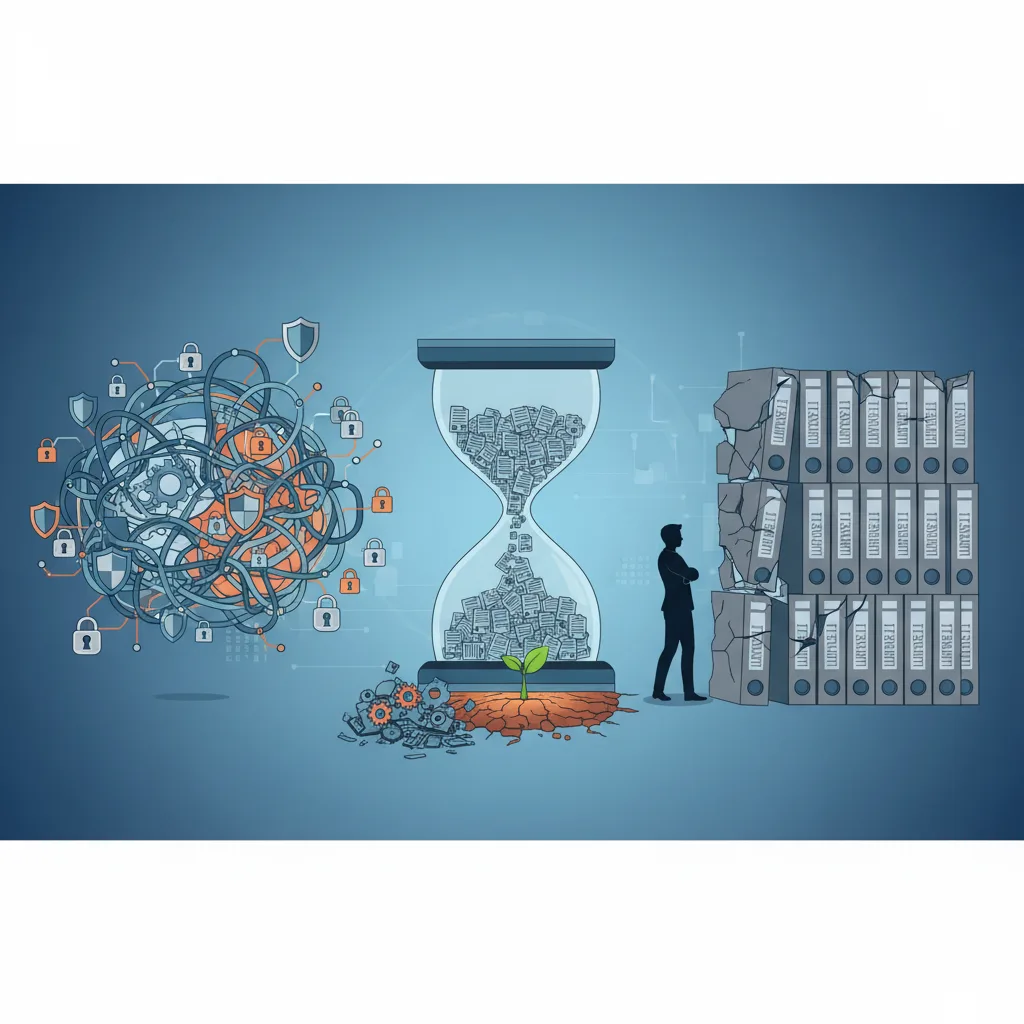
Imagine over 3.4 million patent applications flooding the global system in a single year. That is not a typo. This surge of intellectual property filings, largely from rapidly expanding nations, has spawned an unexpected problem: patent fatigue. A World Intellectual Property Organization (WIPO) report indicates that this immense volume is straining resources and causing significant delays.
Patent fatigue happens when intellectual property (IP), especially patents and applications, becomes so abundant that it hinders advancement instead of encouraging it. It is a complicated issue arising from the sheer number of patents, the growing complexity of modern technologies and the calculated, sometimes unethical, practices within the patent system. Consider it a traffic jam on the road to innovation.
The Core Problems Causing Patent Fatigue
Several related elements add to this growing concern:
- Patent Overload: The sheer quantity of patents and applications overwhelms inventors. Simply staying aware of existing IP can be a massive undertaking, potentially stifling research and development.
- Technological Complexity: Modern technology can be incredibly intricate. Patents covering these technologies reflect that complexity, making it difficult to judge their validity and scope.
- Patent Tactics: Some organizations use defensive patenting, accumulating large patent portfolios to prevent lawsuits, or building patent thickets: complex webs of overlapping rights that prevent others from making progress.
Patent Fatigue’s Impact on Progress
I have seen this issue affect many industries. The consequences are considerable:
- Increased Costs: Patent searches, analysis and acquisition require more time and money. Small and medium sized businesses (SMEs) and startups feel this especially.
- Reduced Incentive for Progress: The possibility of unintentionally infringing existing patents can discourage investment in new technologies. The threat of litigation looms, especially for those without significant resources.
- Defensive Patenting Emphasis: Organizations might prioritize acquiring patents for protection, diverting attention from truly new ideas. This moves funds away from important advancement efforts.
- Slower Progress: The need to navigate a confusing IP environment can postpone the launch of new products. Progress slows and becomes less frequent.
Possible Solutions: Beating Patent Fatigue
Dealing with patent fatigue requires a comprehensive approach involving governments, organizations and individual creators. Here are some ideas.
Speeding Up Patent Processing
Patent offices must operate faster using better search and assessment tools. Shortening processing times and improving the quality of patents issued will clear backlogs and reduce uncertainty. Some patent offices are using artificial intelligence to help examiners, which provides a real improvement.
Encouraging Open Advancement
Promoting cooperation and shared learning can reduce wasted resources and accelerate progress. Open source projects and patent pools simplify access to technologies and encourage further progress. Collaborative efforts often lead to unexpected discoveries.
Improving Patent Quality
More strict examination standards and ways for post grant patent challenges can help eliminate weak or invalid patents. This clears the IP space and simplifies the discovery of truly innovative inventions. Tougher scrutiny of patent requests is essential, especially in rapidly changing fields.
IP Education
Providing creators with resources and IP management training allows them to make informed patenting choices. Understanding the strategic implications of patents and other IP protections is important. I often lead workshops to teach creators about optimal IP management strategies.
The Indian Perspective: A Case Study in IP Management During Expansion
India’s growing advancement sector presents unique challenges and opportunities regarding how to file a patent in India. The rapid increase in patent filings highlights the nation’s growing technological power, but also raises concerns about potential patent fatigue. The Indian government has taken steps to address these issues. These steps include:
- Modernizing the patent office: Investing in tools and training to improve operations and reduce processing times.
- Increasing awareness: Implementing programs to educate creators and businesses about IP rights.
- Stimulating advancement: Supporting research and development through funding and policy measures.
These efforts focus on creating a balanced IP environment that supports progress without hindering competition. India can serve as a model for other emerging economies dealing with the challenges of rapid IP expansion.
Looking Forward: Ethical Patent Application Practices
Patent fatigue is a real and growing threat to progress. Overcoming this requires cooperation from governments, businesses and creators. By improving efficiency, encouraging open advancement, strengthening patent quality and educating creators, we can create an IP ecosystem that fuels creativity and drives financial expansion. Organizations must adopt a responsible approach to patent applications, focusing on protecting genuine inventions and preventing the creation of innovation blocking patent thickets. The goal is to ensure the patent system fulfills its purpose: to promote progress and benefit society.