
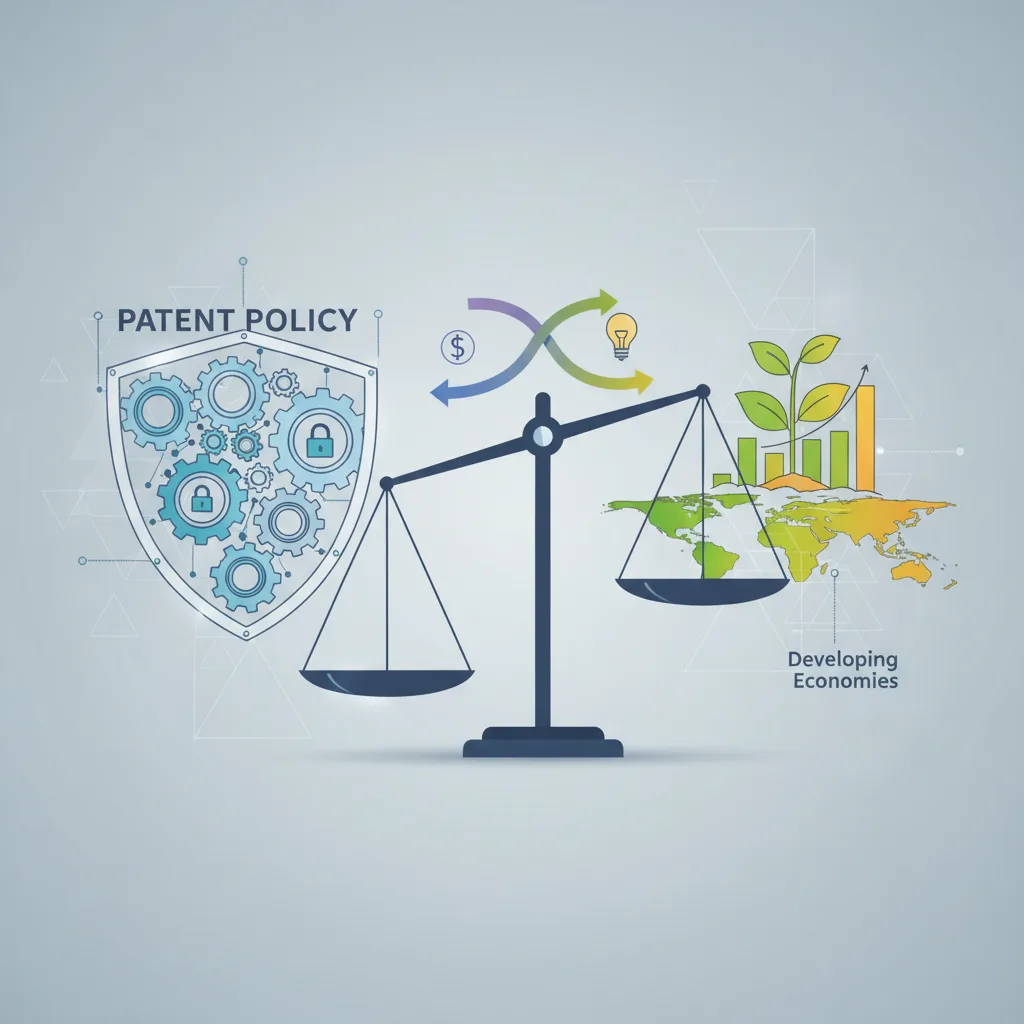
Did you realize that patent applications from developing countries are on the upswing? A 2023 report from the World Intellectual Property Organization highlights this trend, suggesting a growing focus on intellectual property protection. For years, my team and I advised governments and organizations about intellectual property rights. We have witnessed firsthand the delicate dance between encouraging new ideas and guaranteeing equitable access to essential resources. I will share my perspective on how these nations can achieve that balance, fostering both economic advancement and social well being, with careful consideration of the trade offs inherent in patent policy in developing economies.
The Promise and Peril of Patents
Patents are designed to incentivize innovation. Inventors receive exclusive rights to their inventions for a specific time. This enables them to recoup research and development expenses, which, in turn, can stimulate more innovation. Developing economies encounter unique circumstances here. Patents could boost local innovation. Simultaneously, they might restrict access to vital technologies, particularly in pharmaceuticals and agriculture. The main challenge involves crafting patent policy in developing economies that supports domestic innovation without unduly limiting access to crucial goods and services.
Balancing Innovation and Access
One of the most hotly debated subjects surrounding patent policy in developing economies involves medication access. Numerous developing countries rely on generic versions of patented medications to combat diseases such as HIV/AIDS, tuberculosis and malaria. Strict patent enforcement could decrease the availability of these affordable alternatives, potentially jeopardizing public health. Pharmaceutical companies might hesitate to invest in research and development for diseases primarily affecting developing countries if robust patent protection is lacking.
To get through this complicated situation, some developing countries have adopted adaptive patent enforcement strategies. These include:
- Compulsory Licensing: The government can permit the production or importation of generic versions of patented drugs during public health crises.
- Parallel Importation: Patented products can be imported from countries where they sell at lower prices.
- Patent Pools: Sharing patented technologies among stakeholders is encouraged, fostering both innovation and access.
The Role of Intellectual Property Rights
Intellectual property rights, patents included, are considered vital for economic progress. They offer a structure for protecting inventions, stimulating investment and promoting technological advancement. The actual effect of intellectual property rights on developing economies remains a question. Some contend that strong intellectual property rights are crucial for attracting foreign investment and promoting local innovation. Others argue they could hinder access to critical technologies and exacerbate inequalities.
I have partnered with countries that have successfully put policies in place allowing them to achieve growth while guaranteeing access to essential products. Grasping the local environment and customizing policies to address specific needs is indispensable.
Navigating the Patent Application Process in India
For innovators seeking to file a patent in India, understanding the ins and outs of the Indian patent system is essential. India’s patent law adheres to international standards and incorporates safeguards to protect public health and foster domestic manufacturing. For example, Section 3(d) of the Indian Patents Act prevents the patenting of new forms of known substances unless they demonstrate significantly improved efficacy. This has enormous implications.
The procedure to file a patent in India involves these steps:
- Patent Search: Conduct a thorough search of existing patents and prior art to determine the invention’s novelty.
- Drafting the Patent Application: Prepare a detailed description of the invention, including claims that define the scope of protection sought.
- Filing the Application: Submit the patent application to the Indian Patent Office.
- Examination: The Indian Patent Office reviews the application to ensure it meets patentability requirements.
- Grant of Patent: If approved, the patent is granted, giving the inventor exclusive rights to the invention for 20 years from the filing date.
I often urge clients to seek counsel from seasoned patent attorneys or agents when navigating the Indian patent system. Patent law is intricate and varies among countries.
The Future of Patent Policy in Developing Economies
As developing economies expand and become more enmeshed in the global innovation ecosystem, patent policy in developing economies will gain even greater significance. Identifying a sweet spot between stimulating innovation and guaranteeing fair access to crucial goods and services is vital for sustainable development.
Several trends are poised to shape the course of patent policy in developing economies:
- Increased Focus on Local Innovation: Countries are allocating more funds to research and development and striving to protect their inventions.
- Greater Use of Flexibilities in International Agreements: Countries will likely continue to leverage the flexibilities within international agreements like the TRIPS Agreement to tailor their patent laws to their specific needs.
- Enhanced Regional Cooperation: Countries may increasingly collaborate on patent related matters, encompassing patent examination and enforcement, to pool resources and expertise.
Conclusion
Patent policy is not a one size fits all solution. A strategy that succeeds in one country may not yield the same outcomes in another. The secret to patent policy in developing economies is understanding the distinct challenges and opportunities these countries face and devising policies precisely suited to their individual circumstances. I have witnessed how careful tweaks to patent laws can substantially improve local innovation and economic prosperity. The end goal is to establish a system that bolsters both innovation and access, fostering a more just and thriving global community.