The patent system, meant to ignite creative sparks, often stumbles into ethical quicksand when applied to technologies reshaping our world. Brace yourself: A 2023 report from the World Intellectual Property Organization (WIPO) showed that global patent applications have skyrocketed to an all time peak, highlighting the rising importance, along with closer scrutiny, of intellectual property rights in our interconnected age. This surge demands a hard look at the ethical minefield created by patents on fundamental game changers.
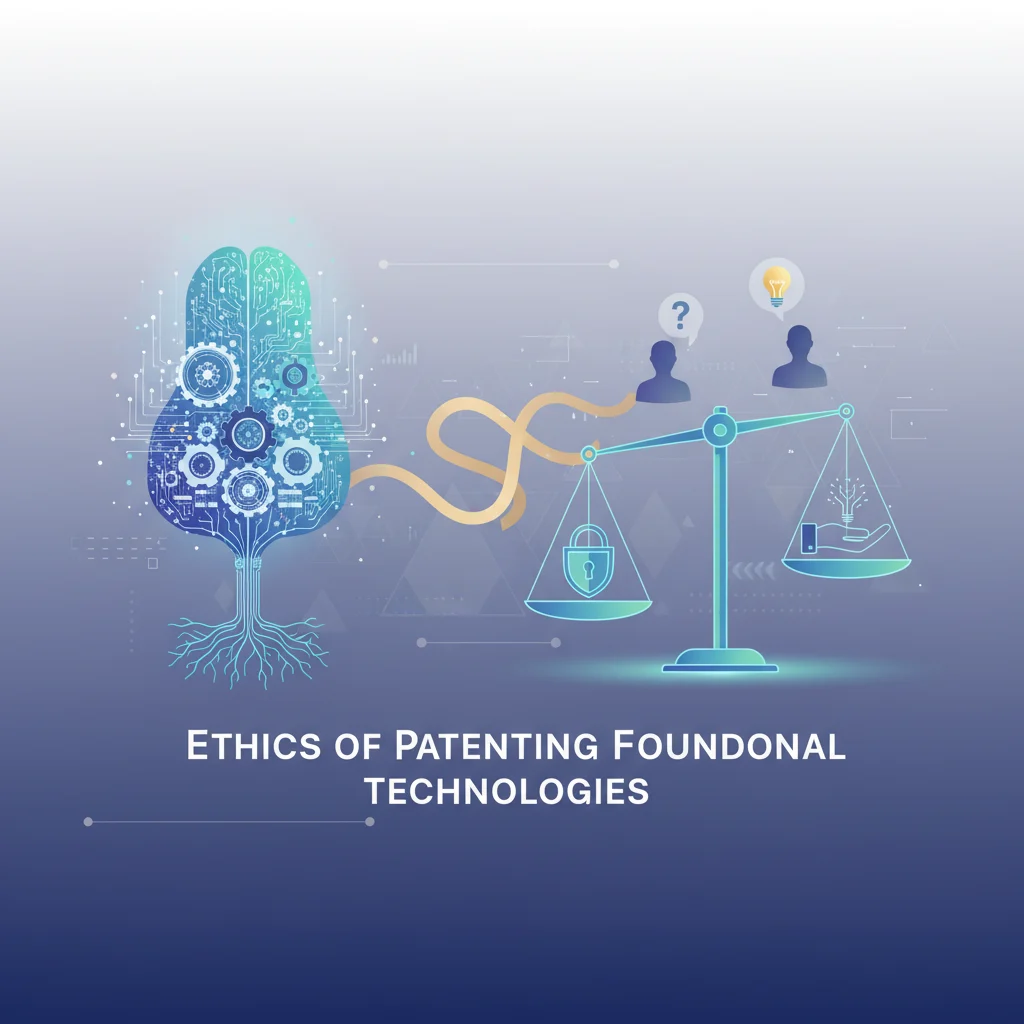
I have seen firsthand how patenting foundational technologies can unleash fierce debates about who gets access, what is fair and the very nature of invention itself. These technologies, the cornerstones upon which future progress is built, pose a unique conundrum: How do we balance the rights of those who invent with the needs of society as a whole? This balancing act is vital to encourage both creative endeavors and equal opportunity. The stakes could not be higher.
The Dual Edged Sword of Patenting Foundational Technologies
Patents grant inventors specific protections for a limited period, enabling them to profit from their work and sparking further investment in research. This setup functions reasonably well for incremental improvements or specialized applications. But when it comes to foundational technologies, think CRISPR gene editing or the core algorithms driving artificial intelligence, the ripples spread far and wide. These technologies underpin future advancements, demanding careful consideration when patents are evaluated. The consequences are monumental.
On one hand, patents can jumpstart advancement of these technologies. The possibility of financial reward can pull in significant capital, accelerating the rate of progress. Without patents acting as a shield, organizations might hesitate to sink resources into high risk, long term research initiatives. The prospect of revenue can be a powerful motivator.
Flip the coin, and an opposite view emerges. Overly broad or fiercely defended patents on foundational technologies can throw up roadblocks. They can spawn patent thickets, forcing companies to pick their way through a tangled web of overlapping claims to get new products off the ground. This can balloon costs, cause delays and even kill off promising projects. I recall a small startup, on the verge of launching a revolutionary diagnostic tool, that was forced to scrap its plans because of sky high licensing fees demanded by the patent holder of a foundational technology. This serves as a stark illustration of how sweeping patents can choke progress. Such scenarios highlight the need for a balanced approach to patenting. The fallout can be devastating.
Ethical Considerations in Patenting Foundational Technologies
The ethical questions surrounding patenting foundational technologies are many. They raise issues such as:
- Access: Should must have technologies be open to everyone, or should patent holders have the power to control who uses them?
- Fairness: Do patents unfairly favor large corporations over smaller players and individual inventors?
- Innovation: Do patents genuinely encourage invention, or do they stifle it by building walls?
One crucial element is the patent’s scope. Patents should mirror the invention closely, avoiding overly broad claims that might hinder later progress. The patent system should not hand out monopolies over entire fields of technology. Precision counts when defining a patent’s boundaries.
Another key aspect is how patents are enforced. Patent holders have every right to defend their inventions; yet, aggressive tactics, such as threatening lawsuits against small businesses or researchers, can scare people away from inventing. Responsible enforcement is essential for a vibrant inventive ecosystem.
The Global Perspective: Patenting Foundational Technologies and Filing a Patent in India
The discussion about patenting foundational technologies is a global one. Countries take different paths when it comes to patent law, reflecting varying views on how to balance invention and access. Look, for instance, at how to file a patent in India.
India’s patent law, to cite one example, includes specific clauses intended to widen access to must have medicines. Section 3(d) of the Indian Patents Act blocks the patenting of new versions of existing substances unless they can prove significantly improved efficacy. This has been used to prevent patents on minor tweaks to existing drugs, preserving the affordability of essential medicines. Public health is the clear priority here.
This underscores a vital point: Patent law is more than just a dry legal topic; it embodies the values of a society. Different countries may prioritize different things, leading to different ways of handling foundational technologies. Cultural norms shape the rules of patenting.
Navigating the Ethical Landscape
So, how do we steer a course through the ethical thicket surrounding patenting foundational technologies? I believe that a multifaceted approach is required, one that involves policymakers, inventors and the public at large.
Policymakers must carefully weigh how patent law might affect both invention and access. They should aim to create a system that encourages invention without erecting unfair barriers. Steps could include:
- Capping the scope of patents on foundational technologies.
- Boosting patent pools and open source initiatives.
- Beefing up antitrust enforcement to prevent anticompetitive behavior.
Inventors and companies must use the patent system responsibly. This means:
- Seeking patents only for truly original inventions.
- Avoiding overly broad patent claims.
- Licensing their patents on fair terms.
The public also has a stake in this. By participating in informed debates about the ethical implications of patenting foundational technologies, we can help shape the future of invention. Public awareness and engagement are key.
Conclusion
The ethics of patenting foundational technologies presents a tangled challenge, with no easy answers. By thoughtfully considering the potential impacts on invention, access and fairness, we can strive to build a patent system that drives progress and benefits everyone. The aim is to foster an environment where invention flourishes while making sure the rewards of these vital technologies are widely shared. A balanced and careful view is paramount. The future hinges on it.