Here is a mind bender: In most nations, artificial intelligence cannot legally hold a patent. The notion of AI as an inventor has sparked considerable debate worldwide. The World Intellectual Property Organization (WIPO) emphasizes that this challenges the very meaning of invention and innovation. As machine learning increasingly shapes our world, this conversation raises important questions about inventors patent rights. It is complex to say the least.
AI systems are no longer just theoretical; they are practical instruments generating novel solutions. Using complex algorithms, these systems analyze huge datasets, identify patterns and propose innovations much faster than humans. Should AI be credited as the inventor when it originates an invention?
Patent law typically requires an inventor to be a real person. This stems from the idea that inventorship needs human creativity and intention. I believe patent laws exist to reward people for their intellectual contributions, encouraging human innovation.
Having spent years tackling legal patent issues, I can confirm this viewpoint faces resistance.
Global Perspectives on AI Patent Inventions
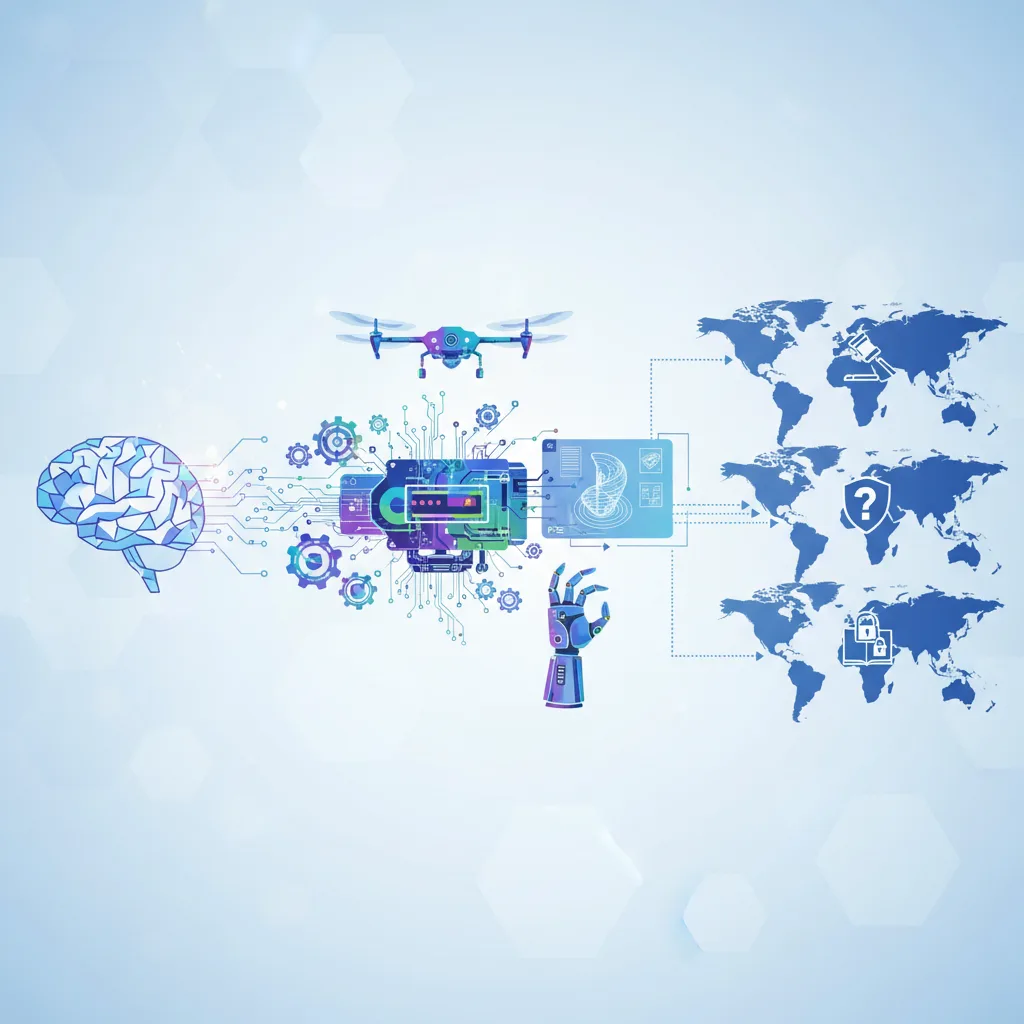
The legal standing of AI patent inventions differs significantly across nations. Consider these approaches:
- United States: The United States Patent and Trademark Office (USPTO) insists that only people can be listed as inventors on patent applications. The USPTO interprets “individual” in patent law as a human being.
- European Union: The European Patent Office (EPO) maintains a similar position. In a case involving an AI system called DABUS (Device for the Autonomous Bootstrapping of Unified Sentience), the EPO rejected patent applications listing DABUS as the inventor. They stated that the European Patent Convention requires inventors to be natural persons.
- United Kingdom: The UK Intellectual Property Office (UKIPO) initially seemed receptive to AI as an inventor. The courts disagreed. The UK Supreme Court ruled that only humans can be inventors under current UK law.
- Australia: Australia initially had a more welcoming attitude. One court ruled that an AI system could be named as an inventor. This was later overturned on appeal, aligning Australia with the US, EU and UK.
- India: The AI patent inventions situation in India is still developing. There is no explicit rule prohibiting AI from being an inventor, but the need for human effort and inventiveness in patenting makes it difficult for AI to gain recognition. To successfully file a patent in India, demonstrating human contribution is key.
These varied perspectives illustrate the difficulty of fitting existing legal frameworks to AI inventions. Each country struggles to balance promoting innovation and respecting the traditional concept of inventorship. This is especially important when attempting to file a patent in India, since the requirements can be nuanced.
The Debate: For and Against AI Inventorship
The AI inventorship discussion involves strong arguments on both sides:
Arguments Supporting AI:
- Encouraging Innovation: Allowing patents for AI inventions could boost AI technology development and adoption. Recognizing AI as an inventor might well spur investment and innovation.
- Reflecting Reality: AI systems sometimes produce genuinely novel solutions. Denying them inventorship could misrepresent the truth.
Arguments Against AI:
- Lacking Human Ingenuity: Critics argue that AI systems lack the human ingenuity needed for inventorship. They claim AI is simply a tool, and the programmers who created it are the true inventors.
- Legal and Ethical Issues: Granting inventorship to AI raises complex legal and ethical questions. Who owns the patent rights? Who is liable if the invention infringes or causes harm?
What Lies Ahead
As AI advances, the AI inventorship discussion will intensify. I expect legal frameworks to adapt to the challenges of AI inventions.
Here are possibilities:
- Creating new intellectual property rights specifically for AI inventions. This could involve different rules governing inventorship and ownership.
- Using a “human-in-the-loop” approach. This would require a person to contribute significantly to the invention to qualify it for patentability. The AI would assist the human inventor.
- Clarifying existing legal regulations. Courts could issue clearer directives on how patent laws apply to AI inventions.
The question of machines as inventors goes beyond legal details. It touches on innovation and AI’s role in society. The answer will significantly affect technology and the global economy. And it affects inventors patent rights.
Final Thoughts
Determining AI’s role in inventorship is ongoing. As we progress, a comprehensive strategy that encourages innovation while respecting legal and ethical principles is essential. Discussions among legal experts and policymakers will shape AI patent inventions and their societal effects. Considering the legal patent implications is also essential.