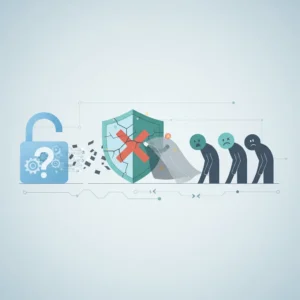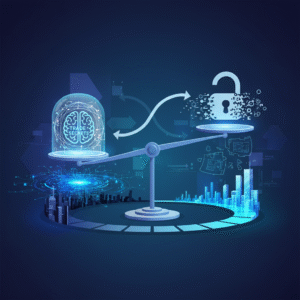
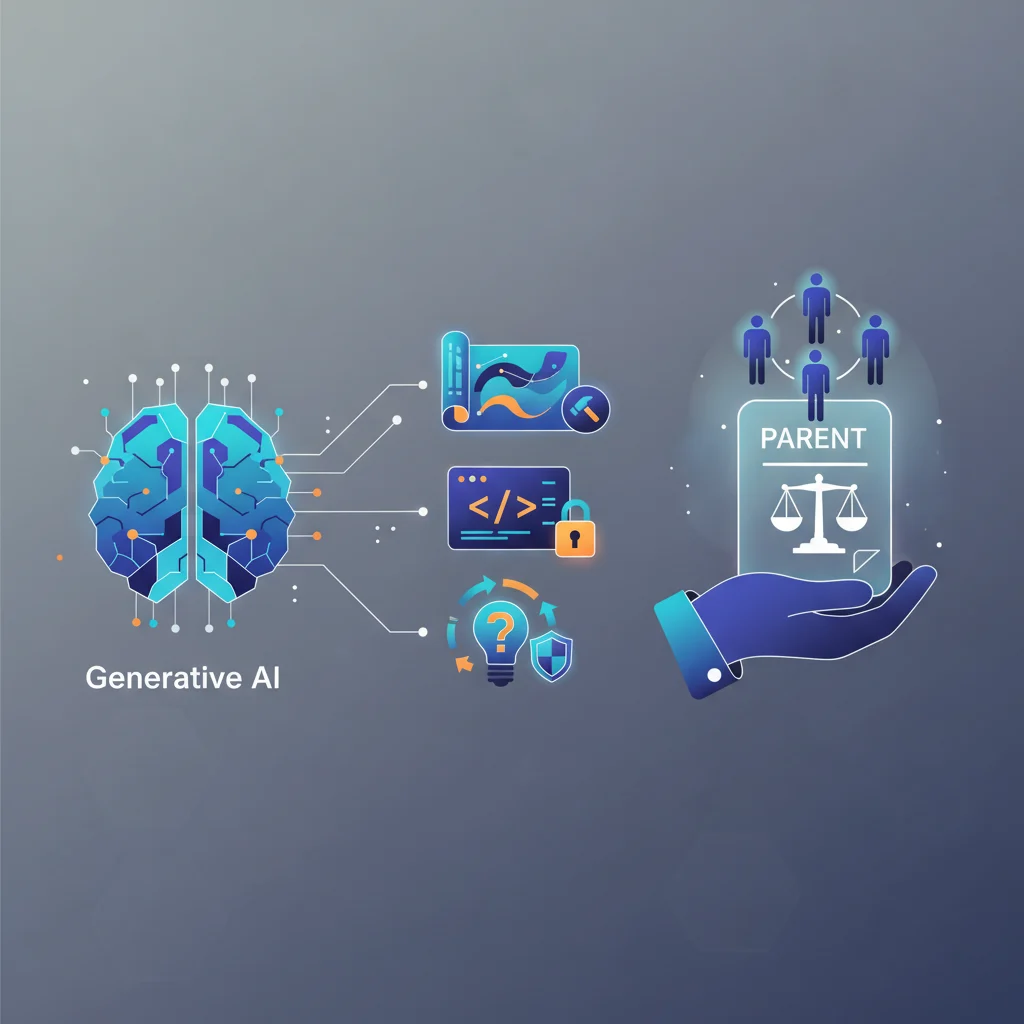
Generative artificial intelligence is not a gentle wave; it is a cataclysmic event reshaping industries. This tsunami of technology brings with it significant legal challenges, especially concerning intellectual property. I recently saw a report noting a massive surge in artificial intelligence patent applications over the last decade. The billion dollar question: when generative artificial intelligence creates designs, code and completely new concepts, who owns it?
I plan to dissect the complex relationship between artificial intelligence and intellectual property. I will examine current legal interpretations, the difficulty of applying existing patent laws to artificial intelligence created works and offer practical advice for those entering this space. I will also explain how to file a patent in India during this unfolding revolution. It is often more complex than one thinks.
The Questionable Division: Artificial Intelligence as a Tool versus Artificial Intelligence as the Creator
Patent law has historically rewarded human driven inventions. The problem arises when an artificial intelligence algorithm comes up with a groundbreaking product or a unique sequence of code. Should the artificial intelligence be considered the originator? What about the programmer at the keyboard? Or the individual who entered the instructions? What happens if no one can be identified?
Legal precedents are still developing. Currently, most legal entities require a human to be the starting point of a patent. This implies that if an artificial intelligence independently develops something, obtaining a patent may be impossible. Human involvement in the inventive process often sways decisions. Many innovators find this hard to accept.
Artificial Intelligence Serving as a Tool
When a human originator uses artificial intelligence as a tool, like computer aided design software, a patent can be secured. The human must exert significant control over the invention. Consider an engineer using an artificial intelligence algorithm to refine a bridge design. The engineer remains the originator because they defined the problem, understood the artificial intelligence’s output and approved the final design specifications. This distinction is critical.
When Artificial Intelligence Acts “Autonomously”
Things get complicated when artificial intelligence operates with little human supervision. What if an artificial intelligence generates a completely unexpected solution to a difficult problem without any guidance? Some argue that the artificial intelligence deserves originator status in such cases. Current legal thought disagrees.
The DABUS case, where Stephen Thaler sought patents for artificial intelligence generated inventions, illustrates this problem. Even though South Africa granted DABUS originator status, courts in the US, the UK and other countries denied the requests. This reinforces the need for a human in charge.
Essential Steps to Secure a Generative Artificial Intelligence Patent
Legal uncertainties persist. Those innovating can, increase their chances of protecting artificial intelligence assisted or artificial intelligence generated inventions:
- Document Everything: Keep detailed records of every step, from the initial problem to the final solution. Clearly document human input at each stage. This includes the prompts given to the artificial intelligence, the parameters used and modifications made to the artificial intelligence’s output.
- Highlight Human Ingenuity: Write the patent application to emphasize the human originator’s guidance and key decisions. Demonstrate how the artificial intelligence enhanced human creativity and problem solving abilities.
- Focus on Novelty and Non Obviousness: As with any patent application, the invention must be new and not a minor variation of existing technology. Clearly describe how the artificial intelligence powered invention meets these requirements.
- Consider Trade Secret Protection: If securing a patent appears uncertain, consider protecting the artificial intelligence algorithm or its training data as a trade secret. This prevents others from using or disclosing the details. The catch: it does not prevent them from independently inventing the same thing.
Mapping the Global Patent Rules for Artificial Intelligence Inventions
Artificial intelligence and intellectual property rules vary significantly worldwide. Some legal jurisdictions may be more open to recognizing artificial intelligence’s inventive contribution. When seeking patent protection for artificial intelligence related inventions, consider each country’s specific regulations. A global strategy is essential.
How to file a patent in India: Points to Consider
In India, the Patents Act of 1970 and the Patents Rules of 2003 provide the framework. The Act is silent on artificial intelligence inventorship. The prevailing view is that an originator must be a person. Therefore, when you file a patent in India for an artificial intelligence creation, you must clearly identify the human originator or originators. You must detail their involvement in the invention. The invention must demonstrate novelty, inventive step and industrial applicability.
Additionally, disclosing artificial intelligence’s role in the invention is critical. India’s patent authorities may question the application if the artificial intelligence’s contribution is unclear. A complete description of how artificial intelligence was used and the human contributions can strengthen your application.
Ethics: Beyond Legal Ownership
Ownership of artificial intelligence created content extends beyond legal boundaries and enters ethical territory. If an artificial intelligence uses copyrighted material without permission, does its output violate those copyrights? What happens to creativity if artificial intelligence can replicate existing works?
These ethical questions are complex and require careful consideration. As artificial intelligence advances, we must develop ethical guidelines for its use in creative and inventive endeavors. This is a significant issue.
The Future of Generative Artificial Intelligence and Patent Law
Generative artificial intelligence and patent law are evolving rapidly. As artificial intelligence develops, legal frameworks must adapt to address new challenges. This may involve rethinking the definition of inventorship, developing new legal standards for artificial intelligence assisted inventions and creating international agreements to harmonize artificial intelligence patent laws.
The discussion about generative artificial intelligence patent rights continues. As artificial intelligence transforms industries and reshapes creativity, innovators, policymakers and legal professionals must collaborate. Their goal: to ensure that intellectual property laws are enduring, equitable and effective.
Artificial intelligence generated content and its ownership involve intricate issues. To succeed, maintain detailed records and highlight human contributions. Armed with these strategies, innovators can navigate the current legal landscape successfully. They can also protect their intellectual property in this emerging era. The Generative AI Patent landscape is constantly shifting.