
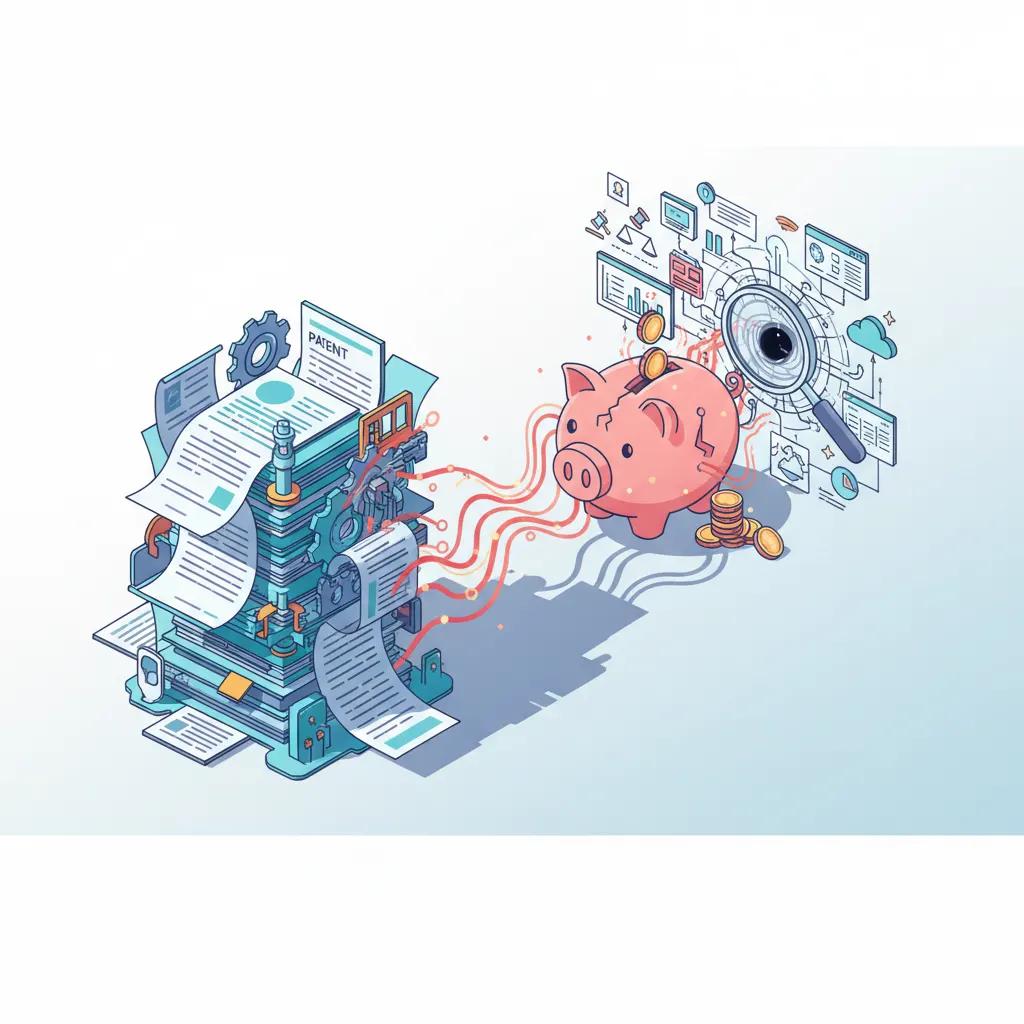
Did you realize a hefty slice of a company’s profit can vanish due to often ignored operational costs tied to managing a vast patent collection? Plenty of folks think the initial cost of securing patents is just part of running a business. But peek under the hood, and you will find a tangle of hidden expenses ready to hit your earnings. The USPTO fee schedule shows basic patent upkeep can be hundreds, even thousands, of dollars for each patent every time you pay. Truthfully, these visible costs are just a fraction of the total burden.
These sneaky costs frequently pop up because of bad handling, a fuzzy plan and squandered chances. The fallout can sting, from shelling out to keep useless patents alive to watching your competitive edge dull because your intellectual property is a mess. Let us discuss these often overlooked expenses and how you can soften the blow.
Active Portfolio Management: Kiss the “Set It and Forget It” Idea Goodbye
Too many businesses treat their patent stash like something gathering dust. This “set it and forget it” thinking is a huge mistake. To get the most bang for your buck and slash unnecessary spending, you have to stay on top of your patents. So, what does active management look like?
- Regular Portfolio Audits: Scrutinize things once or twice a year to figure out what each patent is worth.
- Strategic Alignment: Make sure your patents are backing up what you are trying to do in the market right now.
- Proactive Pruning: Chop out any patents that do not fit your plan or are guarding old tech.
If you let your patent collection sit unattended, be ready for hidden costs to pile up.
- Unnecessary Maintenance Fees: Paying to keep patents that add little or no strategic advantage.
- Missed Licensing Opportunities: Failing to make money by licensing patents you are not using.
- Weakened Competitive Position: Struggling to defend your ideas and fight off rivals because your patent collection is a disorganized mess.
Strategic Control: Escape the Money Pit
Without a solid strategy, your patent collection can quickly turn into a burden. Sometimes businesses file patents in markets that do not matter much or keep patents alive that no longer support their main goals. This lack of smart control weakens your IP stance and wastes cash. The hidden operational cost in patent management really adds up.
To grab the reins, make portfolio reviews a regular thing. Ask tough questions such as:
- Which patents match what the market wants now?
- What new areas of innovation need better protection?
- Where are the holes in our patent defenses?
By fine tuning your patent collection, you can guarantee your patents are supporting the tech and markets driving growth. A client I worked with discovered they were forking over maintenance fees on patents in fields they had abandoned. Axing these patents saved them thousands annually.
The Danger of Missing Deadlines
Missing those maintenance fee deadlines can sting. A simple slip up can mean losing patent protection altogether, letting rivals use your inventions for free. The money problems that follow can be huge, especially if the patent was guarding a vital piece of tech.
Put strong systems in place to keep tabs on deadlines. This means:
- Automated Patent Management Systems: Use software that sends alerts well before deadlines arrive.
- Dedicated Maintenance Team: Task a specific team or outside IP firm with handling deadlines.
- Real-Time Status Tracking: Watch the status of all patents to predict upcoming renewals and decide what they are worth early.
Global Patenting: A Pricey Puzzle
Filing patents around the world adds complexity and cost to upkeep. Every country has its own rules, deadlines and payment schedules, making it easy for global companies to stumble. Some companies just automatically renew everything worldwide, no matter what the market looks like. This is a costly mistake.
A smarter move involves:
- Jurisdictional Assessment: Check how important each region is on a regular basis.
- Tailored Renewals: Only renew patents in regions that fit your business strategy.
- Patent Analytics Tools: Use data to gauge the worth of patents in different regions.
For example, patents guarding tech mainly used in North America might not need renewing in smaller markets. By focusing patent renewals on key regions, you can cut unnecessary fees without losing crucial protection. Mull over the idea to “file a patent in India“. While India is a big market, digging into the details might show your specific tech is not used much there, making the cost maintaining in patent not worth it.
Beyond Maintenance Fees: The Cost of Lost Opportunities
The real price of poor patent collection management stretches beyond simple fees. It also includes missed chances to make money off your IP. Businesses often fail to cash in on licensing, strategic deals and potential mergers.
Unlocking the Potential of Licensing
Licensing is a great way to bring in revenue from your patents. Plenty of businesses do not use this enough because they are not hunting for licensing deals or do not have the resources to connect with possible licensees.
Set up a system to spot licensing opportunities. This includes:
- Regular Portfolio Review: Find patents that could be valuable to others.
- Partnering with Experts: Hire licensing pros or consulting firms to find hidden money makers.
- Creating an Active Licensing Program: Turn unused patents into reliable income streams.
Patents often have value beyond what a company is doing right now. Tech made for internal use might be helpful in related fields. By looking into these options, businesses can license their tech to companies in different areas or regions.
Cross-Licensing and Strategic Alliances
Cross licensing deals and strategic alliances are other ways to profit from your patent collection. These deals let businesses trade IP rights, giving access to important tech without direct money changing hands.
Teaming up with rivals or partners can give you an edge in fast changing industries. Weak patent collection management often leads to missed cross licensing chances because companies do not know what IP they have or do not see potential partnerships.
Conclusion
The hidden costs of running a patent collection can be high, hurting profits and competitive strength. By taking a proactive and strategic approach, you can keep these costs down and get the most from your IP. This means actively managing your patents, carefully tracking deadlines, smartly judging regional importance and prioritizing licensing and partnership possibilities. Do not let your patent collection drain your resources. Instead, turn it into a valuable tool that fuels innovation and income.