
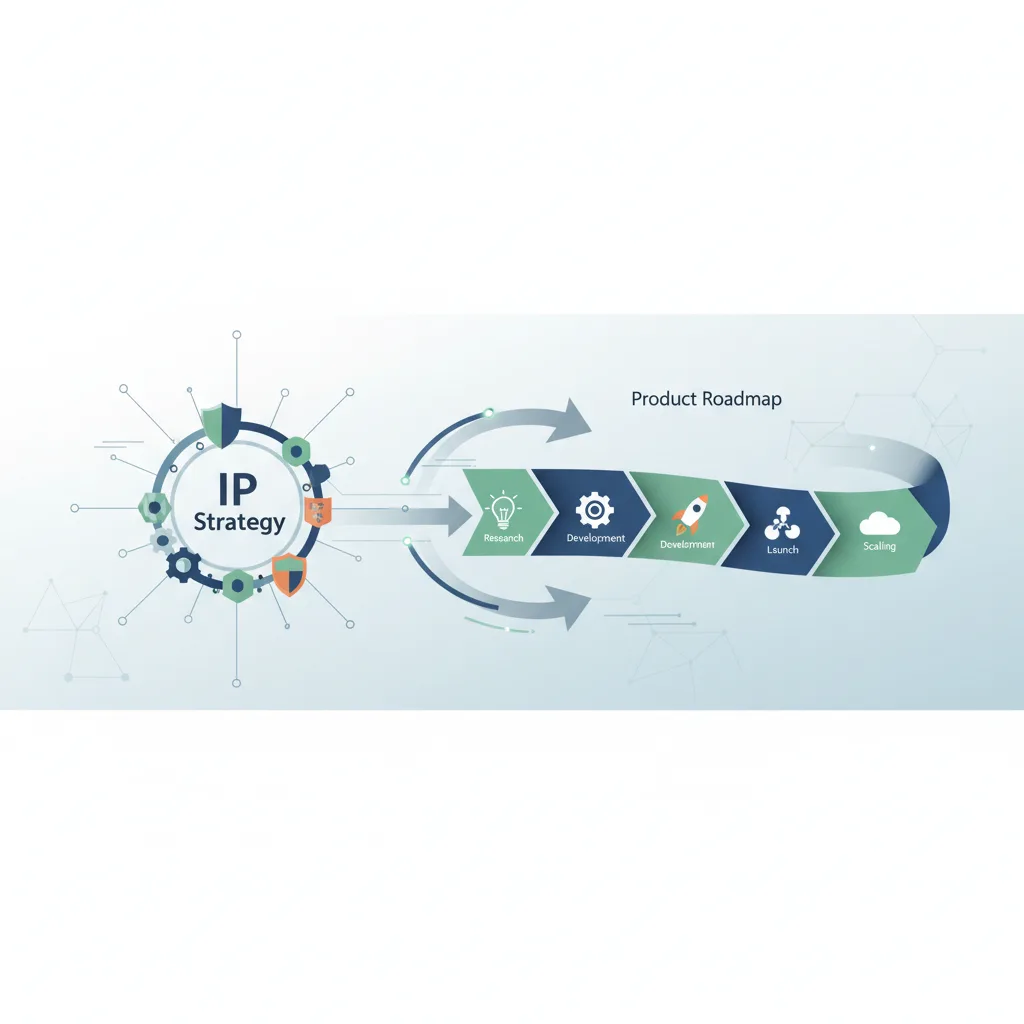
Companies fiercely protecting their intellectual property see growth rates approximately 30% higher than those that do not. A recent study by the World Intellectual Property Organization (WIPO) really drove this point home. A proactive approach to IP is not just about shielding your inventions; it gives your company a serious competitive advantage in the marketplace. Far too many businesses, especially brand new startups, view IP as an issue to address later. This is a critical mistake. It can lead to missed opportunities and protracted legal battles. I am absolutely convinced that closely aligning your IP strategy with your product roadmap is vital for sustained success and long term expansion.
My team and I specialize in precisely this intersection. We guide you through the essential steps of crafting an IP plan that works hand in glove with your product roadmap. We tackle everything from the fundamental reasons this is important to practical advice on how to put it into action. This approach keeps your innovations protected and positions your company for future growth. Consider us your IP guides, leading you to the summit of success.
Why Integrate Your Product Roadmap With an IP Strategy?
Thinking about your product roadmap with IP strategy involves a lot more than merely filing patents. It is about developing a thorough plan. This makes certain your innovations are not only protected but also generate revenue and support your overall business objectives. Think of your product roadmap as your company’s future blueprint and your IP strategy as the fortress guarding that future.
Elevating Innovation and Market Leadership
When your product roadmap and IP strategy are truly in sync, you can identify and protect unique product features very early on. This proactive step enables you to secure patents and trademarks before your competition even becomes aware. By weaving IP considerations into product roadmaps, businesses can lock down patents and trademarks for their best ideas before competitors can exploit them. This strengthens your market position and increases the perceived value of your products. From what I have seen, a strong IP portfolio attracts investors, partners and customers. It sends a powerful signal that your company values innovation and protecting its assets.
Mitigating Risks and Maintaining Compliance
Ignoring IP during product development can spark expensive lawsuits and damage your brand’s image. By connecting your product roadmap with IP strategy, you can greatly reduce the risk of infringing on existing patents or trademarks. A unified strategy ensures product development remains within legal boundaries, lowering the chances of penalties or setbacks. This also prepares you to navigate the complex legal environment and sidestep potential dangers. Envision it as building a legal firewall around your innovations.
From my viewpoint, performing regular IP audits and freedom to operate searches is vital for identifying and addressing potential risks. This proactive step can head off major problems and expenses later.
Crafting a Collaborative Plan
To truly integrate product roadmaps and IP strategy, different departments must collaborate effectively. Key individuals from product development, legal, marketing and R&D teams must work together to make certain the achievement of both product and IP goals.
Forming Cross Functional Teams
Forming cross functional teams is essential for genuine collaboration. These teams should include members from product development, IP management, marketing and legal departments. By bringing together diverse viewpoints, companies can be certain all aspects of product development are addressed, including protection that align with IP strategy. I suggest setting up recurring meetings to discuss product plans, share updates and identify potential IP opportunities. This ongoing communication keeps everyone informed and coordinated, making it easier to resolve issues as they arise.
For collaboration to actually work, clearly defined roles and responsibilities must be established for each team member. Each department should understand how it contributes to both the product roadmap and the IP strategy. As an example, product development teams might uncover innovations, while the legal team manages patent strategy and trademark filings. I have found that clearly defined roles prevent confusion and ensure tasks are completed effectively. This also fosters accountability and ownership within the team.
Scheduling Regular Check Ins and Reviews
Regular check ins and reviews enable teams to track their progress and be certain product development and IP strategy remain in sync. These meetings should concentrate on reviewing current projects, discussing any new IP challenges and confirming everyone is on track to meet their goals. During these reviews, teams can exchange ideas and share updates on new innovations that might need IP protection. This collaborative approach establishes a proactive mindset, enabling teams to adapt and stay connected as they pursue shared objectives.
Incorporating IP Strategy into Product Development Processes
To truly connect your product roadmap with your IP strategy, you must weave IP considerations into your product development processes right from the start. This makes IP protection a core part of the product lifecycle, not an afterthought. It is about integrating IP awareness into the very DNA of your product development.
Executing IP Assessments Early in Development
I always advise my clients to execute IP assessments as early as possible in the product development process. This helps identify potential protection opportunities before products are finalized. These assessments can include reviewing existing patents, performing freedom to operate analyses and pinpointing key features that might qualify for a patent strategy. By getting IP teams involved early in development, companies can make well informed decisions about which innovations to pursue and how to protect them. This proactive strategy minimizes the risk of missing crucial opportunities and enables teams to secure protection before launching products.
Establishing Milestones for IP Review
Establishing IP review milestones throughout the product development timeline ensures IP considerations are always addressed. These milestones can be scheduled at key points, such as after concept development, prototype testing and prelaunch phases. At each milestone, teams should evaluate the current IP environment, check for potential infringements and decide on the best strategies for protecting their innovations. This structured approach keeps IP management a priority throughout the product lifecycle, ensuring every new development is in line with the overarching IP strategy.
Connecting Product Features With IP Protection Goals
As products evolve, specific features must be in line with IP protection goals. Teams should determine which parts of a product can be patented or trademarked and prioritize those features during development. By focusing on features that can be protected by IP, companies can strengthen their competitive advantage. I encourage teams to communicate openly about which product features offer the most potential for IP protection. This alignment enables strategic decision making, ensuring resources are allocated to innovations that can be effectively protected.
Using Data to Inform IP Strategy and Product Roadmaps
Data is extremely important in connecting your product roadmap with your IP strategy. Companies can make well informed decisions about their product development plans and IP protection efforts by using data analytics. This data driven approach sharpens focus and improves efficiency, resulting in better outcomes for both product innovation and IP management. It is about letting data be your guide.
Taking Advantage of Market Research and Competitive Analysis
Market research and competitive analysis provide valuable data that can inform both product roadmaps and IP strategies. By analyzing market trends, consumer preferences and competitor products, companies can identify market gaps and innovation opportunities. This data helps teams focus on features that meet market demands and offer the potential for IP protection.
For example, if market research shows growing demand for a particular technology, product teams can focus on developing features that capitalize on this trend. Concurrently, the IP team can assess the environment to pinpoint potential patent opportunities, ensuring the company is ready to protect its innovations.
Employing IP Analytics for Strategic Insights
IP analytics tools can provide data on patent filings, litigation trends and technological advances within the industry. By employing these insights, companies can refine their IP strategy and bring it into line with product development goals. As an example, analyzing patent trends might highlight which technologies are gaining momentum, enabling teams to prioritize innovations that are likely to have significant market value.
Also, IP analytics can help companies identify potential infringement risks, enabling them to implement measures to protect their innovations. By integrating these insights into decision making, companies can optimize their IP strategy and product roadmaps, ensuring they remain competitive.
Understanding How to File a Patent in India
For companies targeting the Indian market, understanding how to file a patent in India is absolutely vital. India operates under its own patent system, and being familiar with its specific rules and procedures is essential. This includes understanding patent eligibility, the filing process and enforcement mechanisms. I suggest consulting with local IP experts who can guide you through the process and ensure your patent applications comply with Indian law.
Successfully navigating the Indian patent system can unlock significant opportunities for your business. It enables you to protect your innovations within a fast growing market and gain a competitive advantage over rivals.
Establishing Constant Communication and Feedback
Communication is crucial to keeping product roadmaps and IP strategy aligned. Establishing effective communication channels and feedback mechanisms ensures teams can exchange ideas, resolve problems and adjust their strategies as needed.
Creating Regular Update Sessions
Regular update sessions enable cross functional teams to share progress on product development plans and IP protection efforts. During these sessions, teams can address any new challenges, celebrate successes and set future goals. These updates help keep everyone informed and engaged, strengthening the connection between product and IP strategies.
For example, if the product team identifies a new feature requiring IP protection, the legal team can offer guidance on appropriate actions during these sessions. This collaboration enhances responsiveness and ensures both product and IP strategies remain synchronized.
Initiating a Feedback Method
Implementing a feedback method enables team members to share their thoughts on how well the alignment process is functioning. This feedback can be gathered through surveys, one on one discussions or team meetings. By encouraging open communication, leaders can identify areas for improvement and address any concerns about the alignment of product roadmaps and IP strategy. Regularly requesting feedback not only helps improve processes but also fosters a culture of continuous improvement. Teams feel valued when their input is considered, leading to greater engagement and dedication to the alignment efforts.
Connecting your product roadmap with IP strategy is an ongoing effort that requires commitment, collaboration and a data driven mindset. You can protect your innovations, strengthen your market position and position your business for sustained success by adhering to the guidelines in this guide.