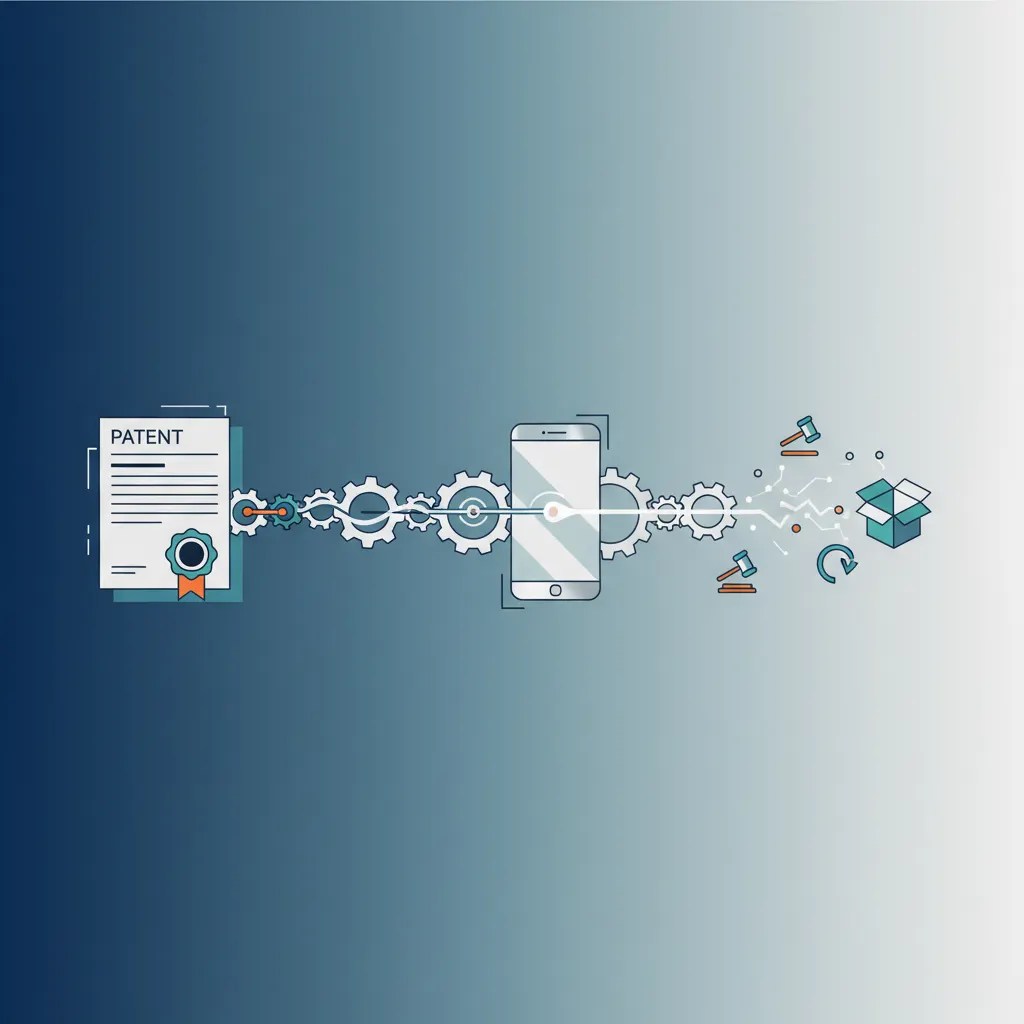
Here is a staggering statistic: US companies lose billions of dollars each year due to intellectual property theft. This immense figure underscores why you must know the limits of patent protection after a sale. Think about buying a new smartphone. You would assume you own it outright. You can use it, sell it, or even take it apart to see how it works. What happens if the phone uses patented technology? Does the patent holder still have some say in what you can do with it? That is where Patent Exhaustion comes into play. This legal principle restricts a patent holder’s rights after the first authorized sale of a patented item. If you are involved in making, selling, or using products with patented inventions, particularly internationally, understanding this idea is vital.
Patent Exhaustion Explained
Patent exhaustion, also known as the “first sale” rule, generally means that once a patent holder sells a patented product (or allows someone else to sell it), their patent rights to that specific item are gone. The buyer is then free to use, resell, or get rid of the item without worrying about infringing on the patent. Consider buying a book. The author still owns the copyright to the words, but you own the physical book and can do what you want with it (within reason; you cannot copy and sell it!). Patent exhaustion works similarly for patented items.
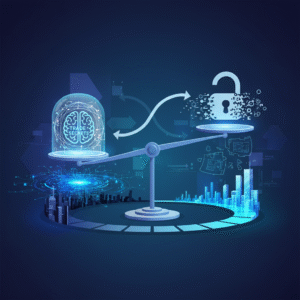
The main goal of this idea, as I see it, is to strike a balance: reward inventors for their ideas while also encouraging open trade and competition. Without patent exhaustion, patent holders could potentially control how their products are used and resold forever, which would hurt both innovation and market efficiency.
Global versus Domestic Patent Rules
Does exhaustion only apply to sales within one country (national exhaustion), or does it extend to sales everywhere (international exhaustion)? This difference has huge implications for global trade and parallel imports (real goods imported into a country without the patent holder’s direct permission).
National Rules
With national exhaustion, the patent holder’s rights end only after the first sale within the country where the patent was granted. For example, if a company sells a patented product in the US, its US patent rights end for that specific product. If that same product is then imported into the Philippines, the patent holder might still be able to enforce its Filipino patent rights because the original sale happened outside the Philippines.
International Rules
International exhaustion means that a sale anywhere in the world ends the patent holder’s rights in every country where the invention is patented. Once a patented product is legally sold somewhere, it can be imported and sold in any other country without infringing the patent. Some argue that this lowers prices and makes patented goods more accessible.
Patent Exhaustion in India: My Observations
India follows international exhaustion. Section 107A of the Indian Patents Act specifically allows parallel imports. It says that selling, offering to sell or using a patented product imported by someone authorized to do so under the laws of another country is not infringement. This shows India’s dedication to making patented products affordable, especially medicines.
Indian courts interpret this rule carefully. They insist that the imported product must have been legally obtained in the first place. The exhaustion principle might not protect products obtained illegally or in violation of local rules.
I have observed that this significantly affects businesses. For instance, a company that buys patented medical equipment in Europe, where rules keep prices low, can import and sell that equipment in India without worrying about patent infringement, as long as the initial purchase was legitimate.
How Other Nations View Patent Exhaustion
Nations differ on patent exhaustion:
- United States: The US Supreme Court tends to favor national exhaustion, but the details can change based on patent license agreements and the specific circumstances of the sale.
- European Union: The EU uses regional exhaustion. Patent rights end within the European Economic Area (EEA) once the product is first sold there.
- Japan: Japan typically follows international exhaustion, similar to India.
These different systems create problems for global businesses. Companies must carefully consider the patent laws of each country where they make, sell, or import patented products. This is especially true when considering to file a patent in India and seeking understanding of how global rules interact.
Implications for You
Understanding the patent exhaustion idea is vital for several reasons:
- Parallel Imports: It determines whether parallel imports are allowed.
- Pricing: It affects how companies set prices in different markets. With international exhaustion, companies might use consistent pricing strategies to prevent arbitrage.
- Patent Licensing: It influences patent license terms. Patent holders might try to limit exhaustion through contracts, but whether those contracts are enforceable is debatable.
- Anti-Counterfeiting: It is vital for telling the difference between legitimate parallel imports and fake products. The exhaustion principle only applies to real products originally sold with the patent holder’s approval.
Considering a Patent in India? Key Considerations
If you are thinking about a patent filling in India, keep these points in mind:
- Patent Requirements: Your invention must be new, not obvious and useful in industry. India has specific rules on patenting certain inventions, like software and biotechnology.
- Patent Details: You must provide a full patent specification that clearly explains your invention and how it works. This includes claims that define the scope of protection you are seeking.
- Patent Process: The patent office will check your application to ensure it follows patent rules. This might involve answering questions and changing your claims.
- Patent Costs: The patent filling costs depend on how complex the invention is and how many claims you make. You will also have to pay fees to keep the patent valid.
The debate between national and international exhaustion continues. People who support international exhaustion argue that it encourages competition and makes goods more affordable, especially in developing countries. Opponents claim that it reduces patent holders’ ability to control their distribution channels and adjust prices for local markets. Which approach is superior for the patent exhaustion discussion?
As global trade grows, the legal rules around patent exhaustion will likely remain complicated. Businesses must stay informed and seek expert legal advice to handle these complexities. The patent exhaustion doctrine is key in balancing the rights of patent holders with the public’s interest in promoting innovation and competition.