
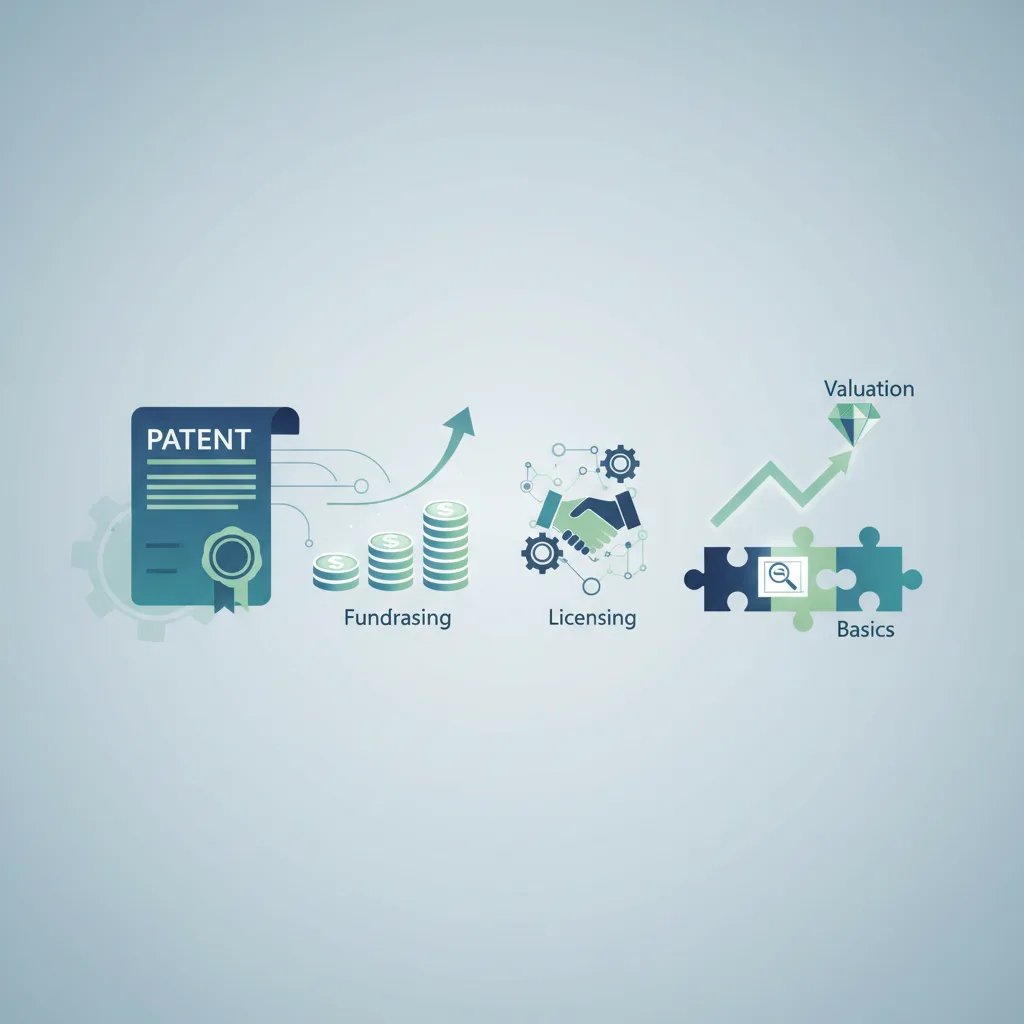
Imagine pouring your heart and soul into securing a patent, only to discover that turning that piece of paper into actual money feels like an impossible task. Many businesses find themselves in this exact situation. From my experience, a solid grasp of the fundamentals of patent valuation becomes essential, particularly when seeking funding or considering licensing your invention. So, what exactly is patent valuation? It involves determining the true worth of a patent, or a collection of them. This goes far beyond merely assigning a price; it involves understanding how that patent can dramatically boost your revenue, capture a larger share of the market and provide a significant competitive advantage.
Determining the monetary value of patents may appear complex. I consider it a crucial step in safeguarding your brand and making informed business decisions. It is also critical for attracting potential investors and negotiating equitable agreements when licensing your intellectual property. Let us examine the key elements of patent valuation and how they relate to fundraising and licensing. Investors require a clear understanding of the intellectual property value, especially when businesses file a patent in India as part of their growth and protection strategy.
Why should anyone bother with patent valuation? Because it unlocks opportunities. A well-supported patent valuation strengthens your position in negotiations, investor presentations and overall business strategy. It transforms a patent from a mere document into a tangible and measurable asset.
- Fundraising: Investors want assurance that their investment will yield returns. A compelling patent valuation highlights the earning potential of your technology and its anticipated contribution to the bottom line.
- Licensing: To establish a fair royalty or licensing fee, it is imperative to understand the patent’s value to potential licensees.
- Mergers and Acquisitions: Patents can substantially influence a company’s overall valuation during mergers and acquisitions. Patent valuation ensures you receive appropriate compensation for your intellectual property.
- Strategic Planning: Knowing the value of your patent portfolio enables informed decisions regarding research and development priorities, identification of potential licensing prospects and strategic patent protection choices.
Numerous factors can influence a patent’s worth. I consider these elements essential during the valuation process:
- Market Size and Growth: What is the potential market size for your patented technology? This is paramount. Generally, larger and rapidly expanding markets translate to higher valuations.
- Competitive Landscape: What alternative technologies exist that address the same problem? How strong are their respective patents? This affects the uniqueness of your patent and your achievable market penetration.
- Patent Strength and Scope: How defensible is your patent? Can it withstand legal challenges? How broad are its claims? Robust patents with extensive coverage command higher values.
- Commercialization Potential: How feasible is it to transform your patent into a commercially viable product? Consider regulatory hurdles, manufacturing expenses and consumer demand. These have a significant impact on current valuation.
- Remaining Patent Life: Patents have a finite lifespan (typically 20 years from the filing date). The longer the remaining patent term, the greater the opportunity to exclude others from exploiting your invention.
I employ various methods to determine a patent’s worth. Each has advantages and disadvantages. The selection depends on the patent’s characteristics and the available data.
1. Income Approach
The income approach focuses on the future revenue-generating potential of the patent. This typically involves estimating the anticipated income, cost savings or royalties, then calculating the present value.
Discounted Cash Flow (DCF) Analysis: This is a prevalent income valuation method. It requires forecasting the patent’s earnings, selecting a discount rate (to account for risk) and calculating the present value of those earnings.
Patent valuation example: Imagine a patented process that reduces manufacturing expenses by $100000 annually. Using a DCF analysis, I would project these savings over the patent’s remaining term, apply a discount rate and determine the present value of those savings. This present value represents the patent’s worth.
2. Market Approach
The market approach compares your patent to comparable patents that have been licensed or sold. This entails identifying similar transactions, analyzing the details and adjusting for any differences between your patent and the comparables.
Challenges: Identifying truly comparable transactions can prove difficult, given that patents are often unique and the specifics of past deals may not be publicly accessible.
3. Cost Approach
The cost approach calculates the expenses incurred in creating or replicating the patented technology. This encompasses research and development costs, patent filing fees and the costs associated with recreating the invention.
Limitations: The cost approach may not accurately reflect the patent’s true value, as it disregards future earnings and the competitive landscape. It may not take into account the ip value.